Rapid water removal
We start with extraction of standing water using professional pumps and extractors, then move quickly into targeted drying so materials do not stay wet longer than necessary.
Serving Nashville, Tennessee & surrounding areas
When water gets in, time matters. Our team removes standing water, sets up professional drying, and sanitizes affected areas to help protect your home or business and reduce the risk of mold problems after a flood.
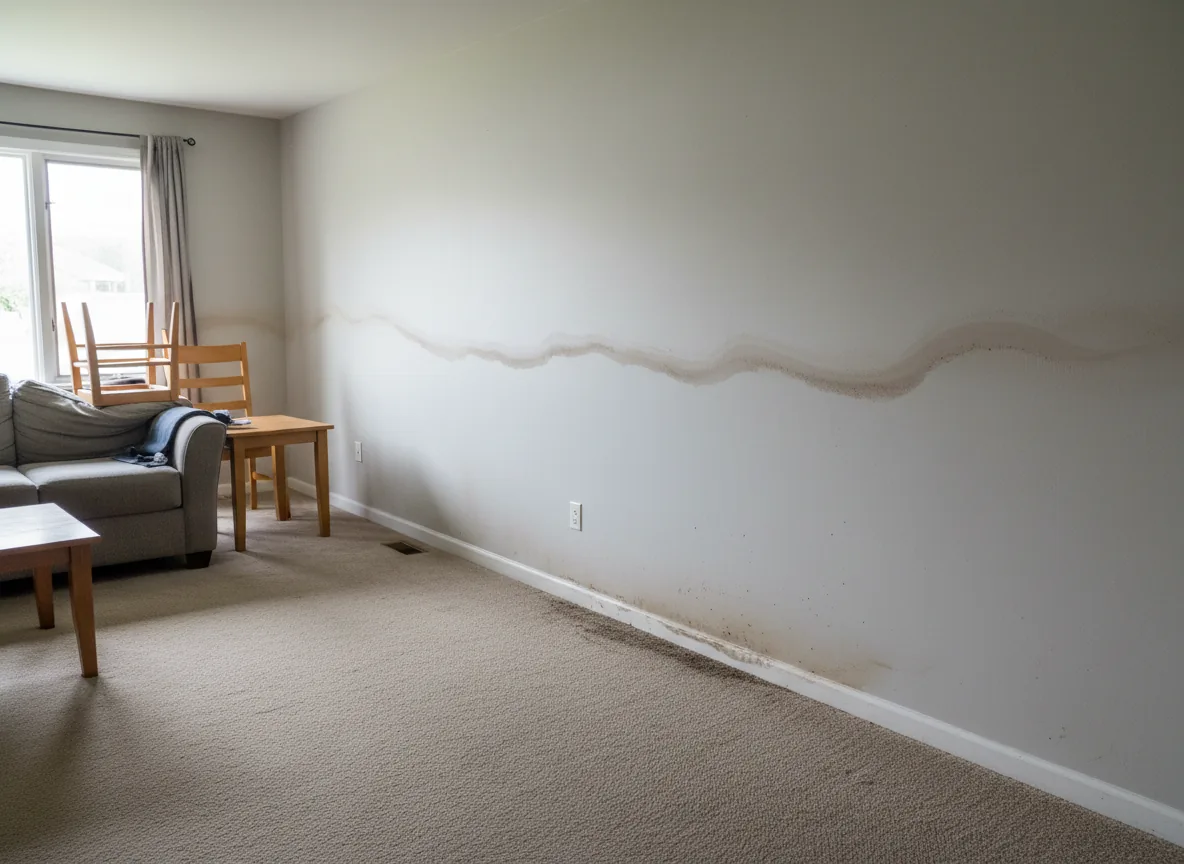
Flood cleanup Nashville TN is more than vacuuming up water. The goal is to stop secondary damage: swelling wood, delaminated flooring, rusting fasteners, odor, and conditions that can support mold growth.
In Nashville, floods can come from heavy storms, creek overflow, sump or plumbing failures, or water entering through a garage, crawl space, or basement. No matter the cause, the first 24 to 48 hours are the window where fast extraction and controlled drying usually make the biggest difference.
A proper flood cleanup plan is built around measurement, not guesswork. Nashville Mold Removal tracks moisture in drywall, framing, subfloors, and insulation with moisture meters, then places commercial dehumidifiers and air movers to create stable drying conditions. That documentation also helps when you need a clear scope of what was affected and what steps were taken.
We start with extraction of standing water using professional pumps and extractors, then move quickly into targeted drying so materials do not stay wet longer than necessary.
We map moisture levels, check them daily while equipment is running, and adjust airflow and dehumidification based on readings. That is how drying stays on track.
Floodwater can carry soil and organic debris even when it looks clear. We clean and sanitize affected surfaces and address odor sources before they set into porous materials.
Some items can be cleaned and dried. Others, like wet insulation or certain composite materials, may need removal to dry the structure safely.
We explain what is wet, what is drying, and what may require rebuild work later so you can plan next steps without rushing into unnecessary demolition.
Flood cleanup needs change depending on where the water traveled and what it touched.
Basement and lower-level flooding: Water often wicks into drywall and base plates, and can collect under flooring. Drying frequently requires perimeter checks behind baseboards and careful monitoring of studs and subfloors.
Crawl space water intrusion: Nashville homes with vented crawl spaces can end up with saturated soil vapor and wet framing. A good plan focuses on water removal, drying of joists and subflooring, and keeping humidity under control so the moisture does not migrate upward.
Slab-on-grade water events: Even without a basement, water can soak into walls, cabinets, and flooring edges. We look for moisture trapped under LVP, laminate, and carpet pad, where odor and microbial growth can start.
Multi-room overflows: Clean water from a supply line, appliance, or water heater can become contaminated quickly when it spreads through living areas. We clean and disinfect surfaces and focus drying where water moved through doorways and under trim.
If you are already seeing musty odor or visible growth after a flood, ask about a targeted plan that includes mold removal after the structure is dry. Drying comes first; treating mold without fixing moisture does not hold.
We start by confirming the water source is stopped and identifying electrical or slip hazards. If floodwater is suspected to be contaminated, we use appropriate PPE and containment practices.
We take moisture readings in walls, floors, and framing, then outline what needs extraction, drying, cleaning, and possible removal. This is what keeps the job focused.
Standing water is extracted first. If materials cannot be dried effectively, such as saturated carpet pad or soaked insulation, we discuss removal so hidden moisture is not left behind.
We set equipment based on the space size and moisture load, then monitor and adjust placement as conditions change. Drying is complete when readings return to acceptable levels for the material.
We clean and disinfect impacted surfaces and address odor sources. Before equipment comes down, we verify dryness with final readings and walk you through what was done.
Flood cleanup in Nashville typically ranges from about $500 to $3,500+ for extraction, drying equipment, and monitoring, with larger or heavily saturated areas running higher. A small single-room incident is usually at the low end, while multi-room flooding with wet drywall, insulation, or flooring removal can move into several thousand dollars.
Final price depends on how far water traveled, material types such as carpet, hardwood, and drywall, contamination level, access to crawl spaces or tight rooms, and how many days dehumidifiers and air movers must run. Exact cost is confirmed after an on-site inspection and moisture mapping.
If you have wet drywall, buckling floors, or a musty smell after flooding, get a professional drying plan quickly. The sooner moisture levels are measured and controlled, the more options you usually have for saving materials.
Start flood cleanup as soon as it is safe because materials begin absorbing water immediately and conditions that support mold can develop within days. In practice, quick extraction and drying in the first 24 to 48 hours often reduces how much drywall, trim, and flooring has to be removed.
Yes. If the water may contain sewage, river or creek water, or heavy soil, the cleanup plan typically includes stricter PPE, more aggressive cleaning and disinfection, and removal of porous materials that cannot be reliably sanitized. We will explain what category of water event it appears to be and what that changes in the scope.
Sometimes, but it depends on how long the wood stayed wet, whether water reached the subfloor, and how the floor is installed. We take moisture readings in the boards and the subfloor, then recommend a drying approach or removal when cupping, crowning, or delamination risk is high.
Most drying setups run for about 3 to 5 days, but thicker materials, wet insulation, or a crawl space with elevated humidity can take longer. We monitor moisture readings during the job and remove equipment only after the structure reaches appropriate dry standards for the affected materials.
If it is safe, stop the water source, shut off power to affected areas if water is near outlets, and move valuables to a dry location. Avoid running household fans on soaked carpet or drywall if you cannot also dehumidify the space, because that can spread moisture-laden air deeper into the home.
Flood cleanup reduces mold risk by removing water and drying materials to normal moisture levels, but no contractor can promise mold will never occur. The best prevention is fast extraction, controlled dehumidification, and removal of materials that cannot be dried or cleaned effectively.
Yes. Flood cleanup is common in residences and commercial spaces, and the process is similar: extraction, measured drying, cleaning, and verification. Business spaces often add timing constraints and more foot-traffic control, which we factor into equipment placement and safety.
Nashville Mold Removal will inspect the affected areas, document moisture, and outline a practical scope for water removal, drying, and sanitizing. Share what happened and when it started so we can recommend the next right step.