After a leak or water event
Even after the surface dries, moisture can remain in wall cavities, under flooring, or in insulation. An inspection helps confirm what is still wet and whether microbial growth started.
Serving Nashville, Tennessee & surrounding areas
Get clear answers fast with mold inspectors, practical lab-backed findings when needed, and next-step guidance you can act on.
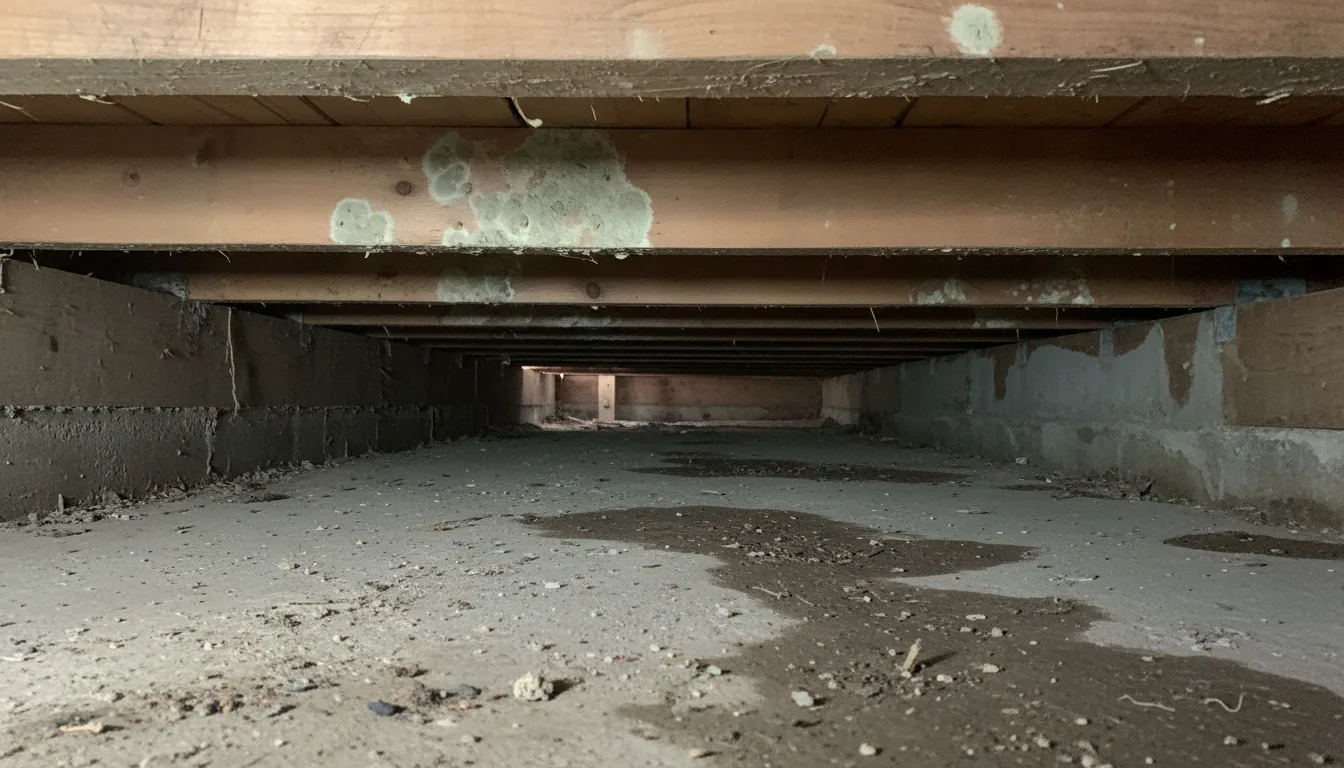
A mold inspection is a targeted investigation to find where mold is growing, why it is happening, and what it means for the building and the people in it. For mold inspection Nashville homeowners can rely on, the goal is a clear, written picture of conditions, not a quick opinion based on smell alone.
Our inspections typically combine a visual survey with moisture diagnostics. We look at the areas that most often hide moisture problems in Middle Tennessee homes: bathrooms and laundry rooms, HVAC closets and return plenums, basements and crawlspaces, around windows and exterior doors, and under sinks and dishwashers. When sampling is appropriate, we collect it using industry-standard methods and use an accredited lab so results are consistent and comparable.
You will come away with:
If you also need guidance on what remediation typically involves after an inspection, Nashville Mold Removal can outline options during the visit and help you plan the work in the right order. When remediation is needed, it matters that the inspection findings are specific enough to scope the job correctly.
Most inspections start with a walkthrough and a conversation about symptoms and building history: recent leaks, prior roof or plumbing repairs, musty odors, health concerns, or rooms that feel damp. We then focus on the most likely pathways for moisture.
In Nashville, humidity and frequent rain events can keep materials damp longer than you expect, especially in shaded areas of the house and in crawlspaces with poor ventilation. A small leak behind a vanity or around a tub can feed growth for months before it shows.
During the inspection, we may use:
Sampling is not always required. If visible growth is present and the moisture source is obvious, the priority is documenting it and tracing the water, not collecting samples that do not change the plan. When conditions are unclear, or documentation is needed for a real estate transaction, property management file, or insurance discussion, sampling can be useful.
We serve homeowners and property managers across the Nashville area, including older housing stock in East Nashville, higher-density condo living around The Gulch, and homes in Bellevue where crawlspace conditions can vary significantly.
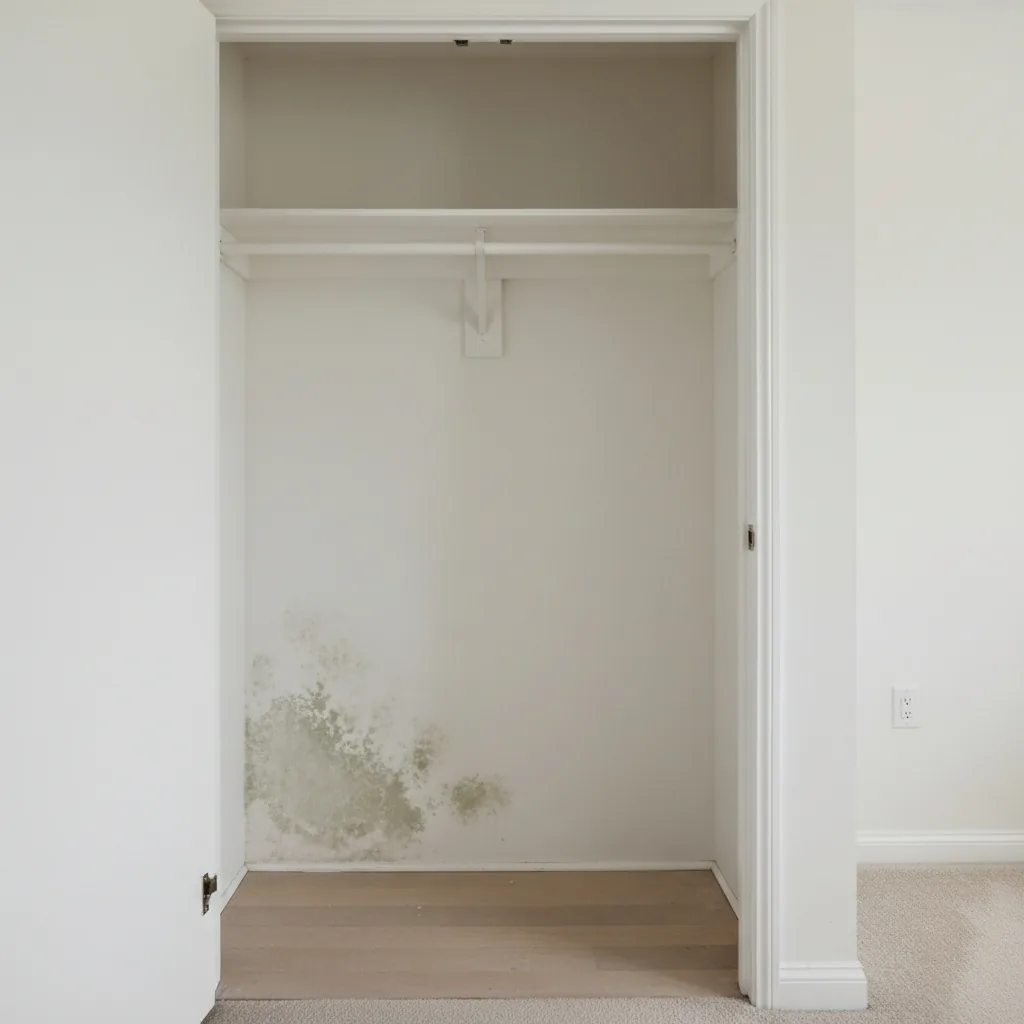
Even after the surface dries, moisture can remain in wall cavities, under flooring, or in insulation. An inspection helps confirm what is still wet and whether microbial growth started.
Persistent odors often point to hidden damp materials in crawlspaces, behind cabinets, near HVAC components, or around window openings.
A documented inspection can reduce surprises during due diligence, especially when there is staining, a history of repairs, or visible discoloration in basements or crawlspaces.
If occupants report symptoms that improve when they are away from the property, we can assess visible conditions and, when appropriate, use sampling to support next-step decisions.
Condensation on windows, sweating ductwork, or damp closets can indicate ventilation or insulation issues that create conditions for growth.
Mold inspection in Nashville typically ranges from about $250 to $650 for most homes, with higher pricing when sampling, larger square footage, or complex access such as tight crawlspaces or steep attic entries is involved. A straightforward visual inspection with moisture mapping is usually at the lower end, while inspections that include multiple air and surface samples trend higher.
Final pricing depends on how many areas need to be evaluated, whether lab analysis is needed for documentation, and how quickly results are required. The exact cost is confirmed after we understand the property layout and the concerns at the inspection visit.
We start by narrowing the problem: where you have seen staining, when odors occur, what repairs have been done, and whether there was a known leak or flooding.
We inspect suspect rooms and adjacent spaces, then use moisture and humidity readings to confirm what is actually damp and where the moisture is likely coming from.
If sampling is appropriate for confirmation or documentation, we collect it using controlled methods and submit it to an accredited lab for analysis.
You receive a clear summary of what we found, photo documentation, and recommended next actions such as drying and repairs, containment and cleanup, or further evaluation.
A few simple steps make a mold inspection more accurate.
If you are trying to understand whether you need inspection only or a full remediation plan, start with an evaluation. When cleanup is needed, our team at Nashville Mold Removal can walk you through what the inspection findings mean for timing, occupant safety, and the order of work.
Scheduling depends on demand, but many inspections can be arranged quickly, including priority appointments when there is an active leak or a real estate deadline. Once on site, most residential inspections take 60 to 120 minutes depending on the size of the home and the number of areas to evaluate.
You only need air testing when it will change the decision you make next, such as documenting conditions for a transaction or clarifying an unclear source. If there is visible growth on building materials and moisture readings confirm the problem area, a careful visual inspection with diagnostics often provides enough information to act.
Yes, as long as access is safe and reasonably available, because crawlspaces and attics are common places for hidden moisture and microbial growth. In Nashville, crawlspace humidity can be a major driver, so documenting vapor barrier condition, standing water, and damp framing can be an important part of the inspection.
A typical report includes the areas inspected, moisture and humidity observations, photo documentation, notes on likely moisture sources, and recommended next steps. If lab samples are taken, the report includes the lab results and how those results fit with what was observed on site.
No, a specific identification requires lab analysis of a collected sample. Inspectors can document suspected microbial growth and conditions consistent with mold, but species-level identification cannot be confirmed by sight alone.
Most inspections do not require you to leave, because the work is observational and diagnostic. If you have severe sensitivities or if sampling is planned in a way that could temporarily disturb dust, we can discuss simple precautions during scheduling and keep the work as controlled as possible.
If remediation is needed, we can explain the typical scope and help you plan the work after the inspection findings are documented. Some situations are inspection-only, but when removal is recommended, the inspection report should translate directly into a clear, job-ready scope.
Tell us what you are seeing and where it is happening. We will confirm the conditions on site, document the findings, and help you decide what should happen next in your Nashville home.