Containment that protects the rest of the home
We set up critical barriers (often with poly sheeting and negative air) so disturbed spores stay in the work zone instead of spreading into bedrooms, closets, and HVAC returns.
Serving Nashville, Tennessee & surrounding areas
Get the mold removed safely, the moisture source identified, and a clear written scope for what was done and what to watch next.
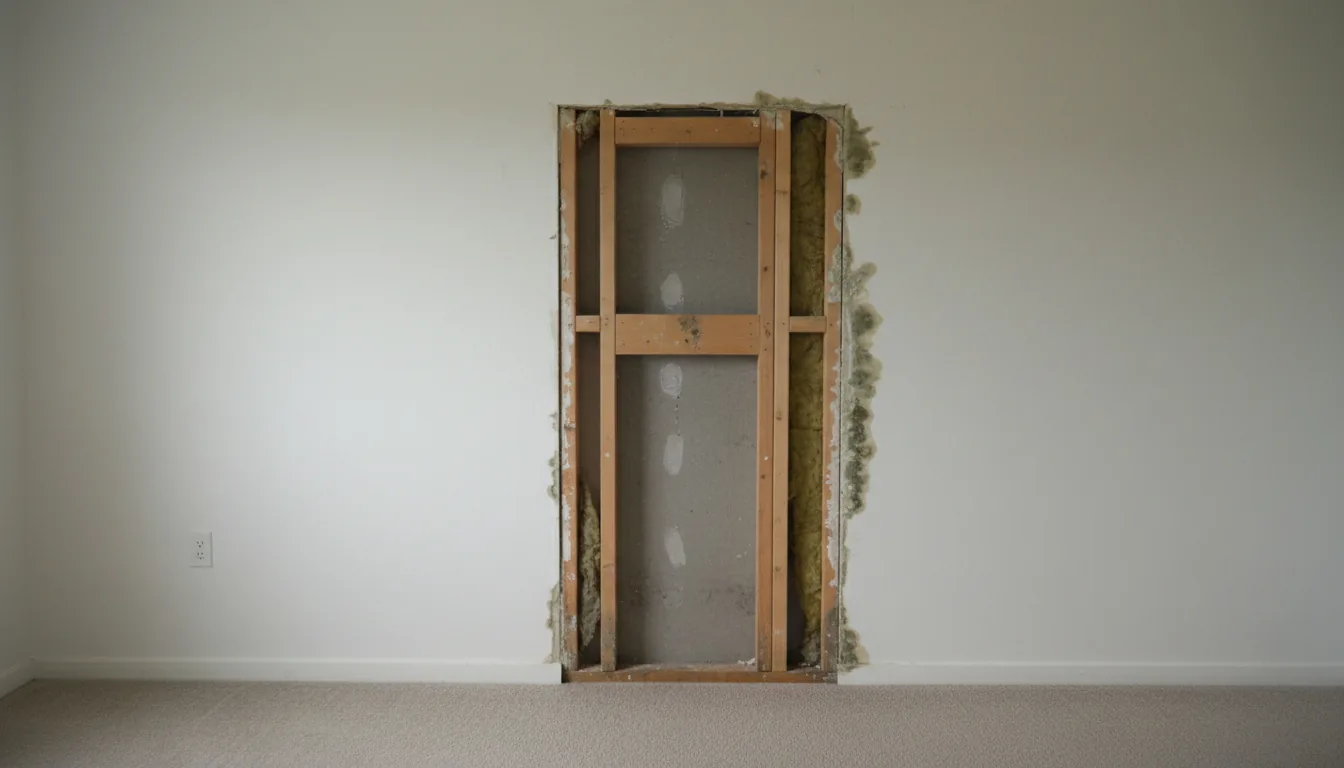
If you are searching for mold remediation Nashville homeowners can trust, you are usually dealing with two problems at once: contamination you can see (or smell) and moisture you cannot. Scrubbing a surface can make things look better for a week, but it does not solve what let mold grow in the first place.
Nashville Mold Removal handles mold remediation Nashville TN properties need after leaks, humidity issues, and water intrusions. We focus on safe containment, careful removal, and practical prevention steps that fit the building. You will get straightforward communication, documentation of the work area, and a plan that matches what we find during inspection.
Mold is often discovered in places that trap moisture: behind baseboards after a slow plumbing leak, under flooring after an appliance overflow, inside wall cavities where insulation stays damp, or in basements and crawl spaces when ventilation and humidity are not under control.
We set up critical barriers (often with poly sheeting and negative air) so disturbed spores stay in the work zone instead of spreading into bedrooms, closets, and HVAC returns.
Non-salvageable porous materials (like drywall, insulation, carpet pad, or some ceiling tiles) usually must be removed. We use HEPA vacuums and air scrubbers to manage particulate during the work.
Remediation works best when moisture is measured and tracked. We look for the wet pathway so repairs and drying can be directed to the right locations, not guessed at.
You should know what areas were affected, what materials were removed or cleaned, what containment was used, and what conditions need to change to reduce the chance of recurrence.
We flag the common drivers that bring mold back: unresolved leaks, elevated indoor humidity, blocked ventilation, and wet building materials that never fully dried.
Mold growth is always a moisture problem, but the way it appears varies by property type and where water moves through the structure.
In older housing stock around East Nashville and parts of 12 South, we often see growth tied to past roof leaks or older plumbing that has seeped slowly inside walls. In Bellevue and other areas with many slab or crawl-space homes, hidden moisture can build up under flooring or in the subfloor after a small leak goes unnoticed. In Green Hills and similar neighborhoods with a mix of renovated and newer construction, mold sometimes follows from improperly vented bathrooms or condensation around tight window assemblies.
Across the city, basements and crawl spaces are frequent trouble spots because they can stay humid, especially when ventilation is poor or a dehumidifier is undersized. If you have a musty odor that returns after cleaning, recurring discoloration, or symptoms that improve when you leave the house, it is worth having the area evaluated.
For an overview of what our team does and how we approach moisture and contamination problems, visit Nashville Mold Removal.
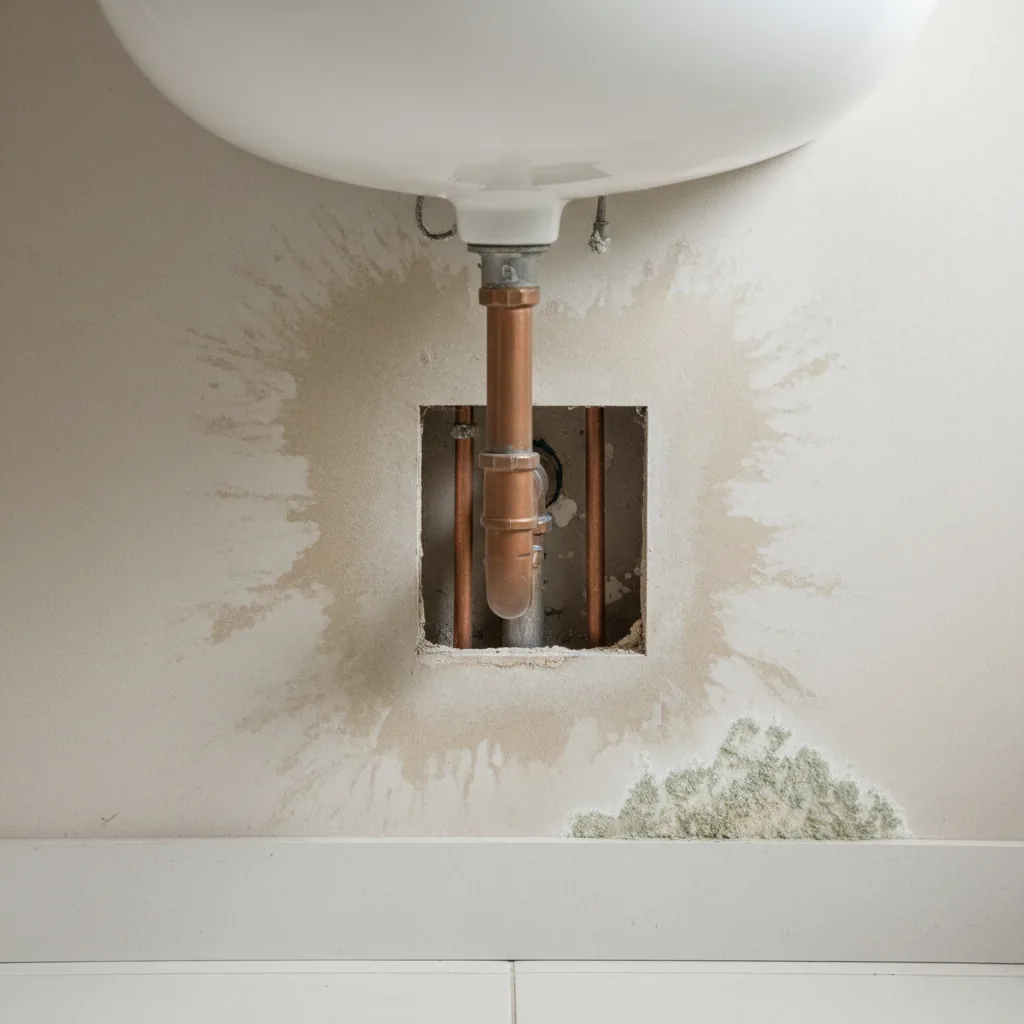
We look at the visible growth, ask about recent leaks or overflows, check adjacent areas, and identify what materials are affected. When helpful, we use moisture readings to understand what is still wet and what has already dried.
Work areas are isolated with plastic sheeting and controlled entry. We protect flooring and nearby contents when practical, and we plan disposal routes to reduce cross-contamination.
Moldy porous materials typically get removed rather than treated. Remaining framing or masonry is cleaned using HEPA vacuuming and damp wiping methods appropriate to the surface.
If materials are still damp, drying has to happen before rebuild. We provide guidance on what needs to dry, what needs repair, and what conditions (like humidity) must be controlled for the fix to hold.
We perform a detailed clean of the work zone and share notes on what was addressed, what was removed, and any next steps to keep the area from getting wet again.
Most mold remediation projects in Nashville typically range from $1,500 to $6,500, with small, contained areas sometimes starting around $800 to $1,500 and larger multi-room or crawl-space jobs running $7,500+ when demolition and containment are extensive.
Your final cost depends on how far the mold has spread, what materials are affected (drywall and insulation cost more to remove and replace than hard surfaces), access (attics, crawl spaces), whether moisture is still active, and how much containment and HEPA filtration the setup requires. Exact pricing is confirmed after an on-site inspection and written scope.
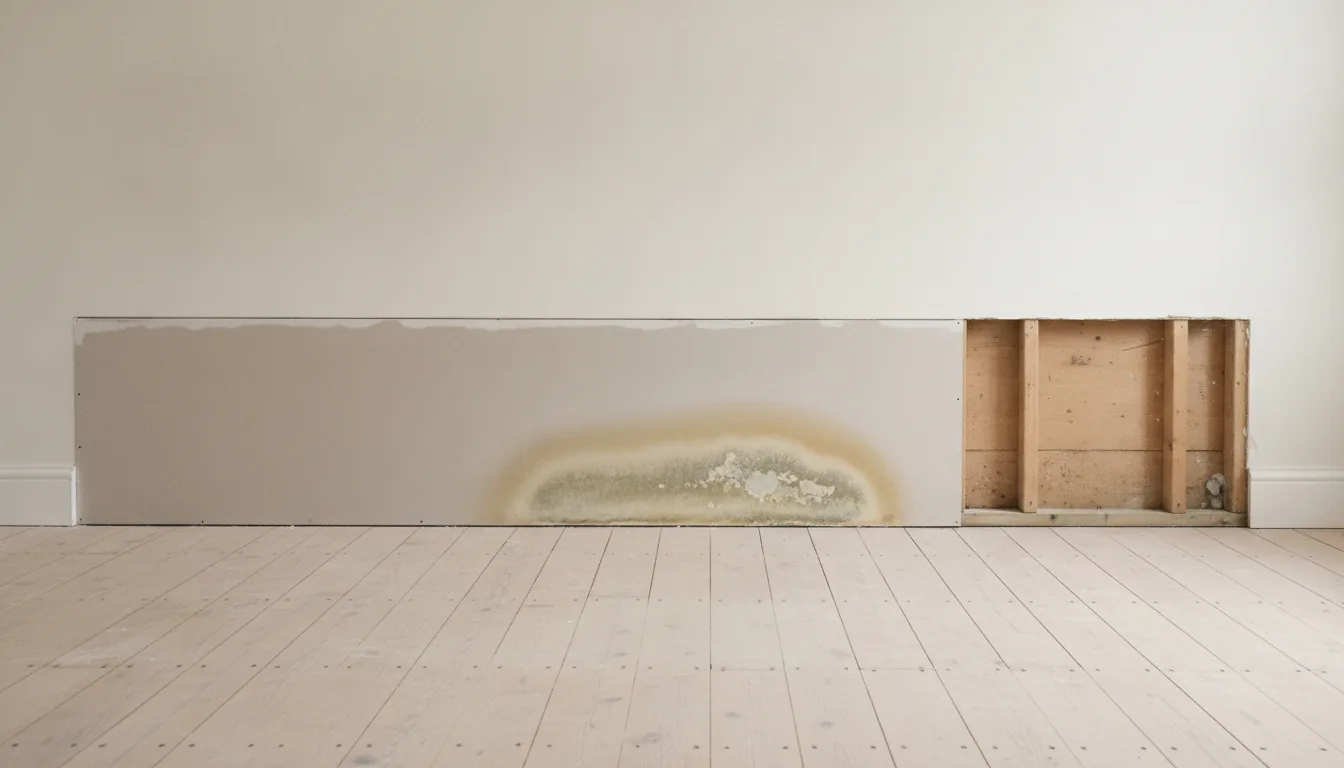
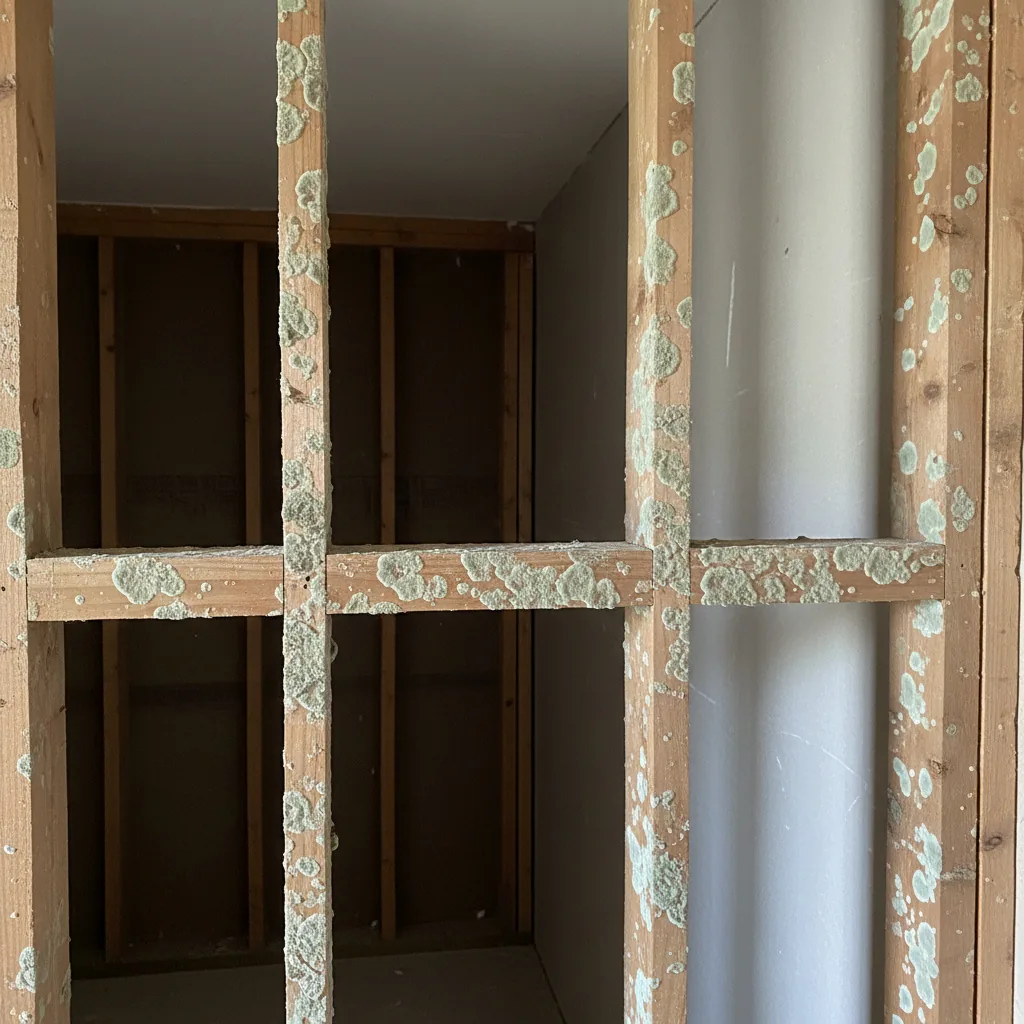
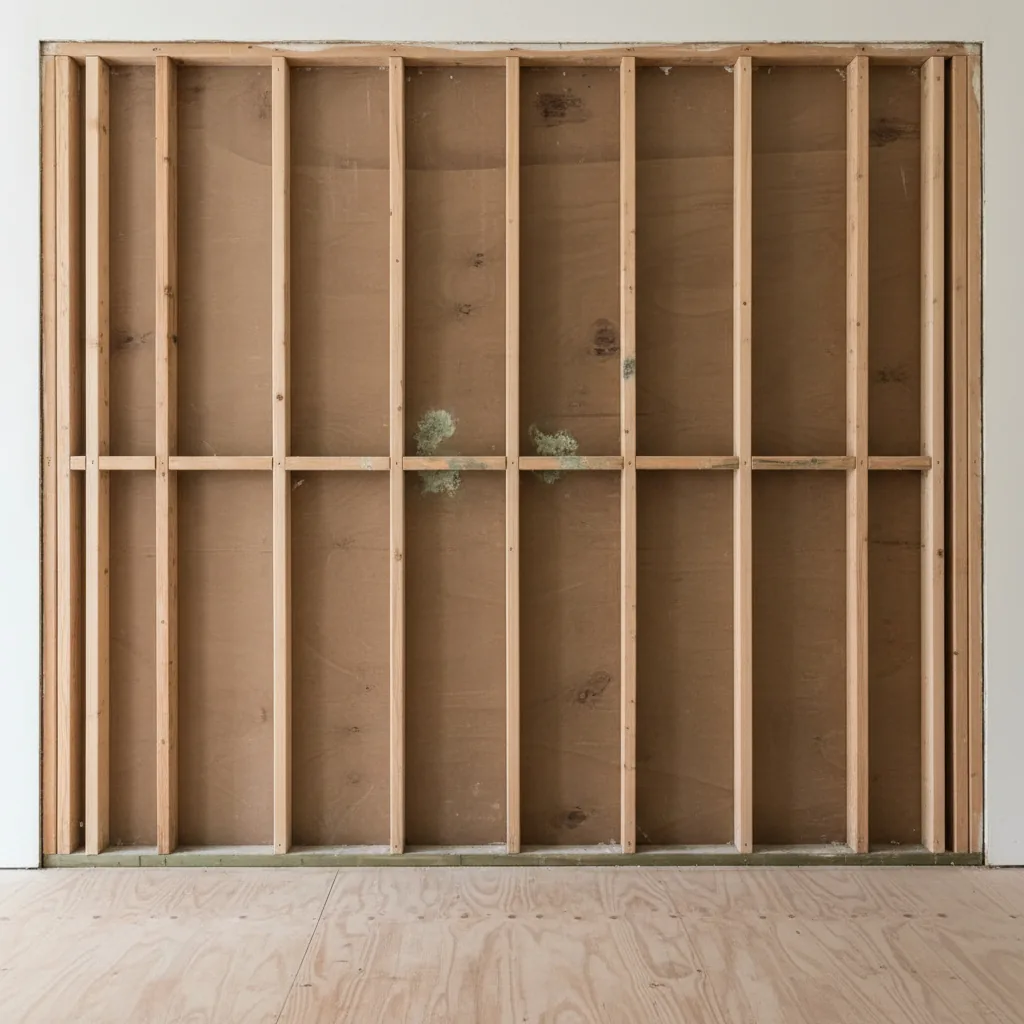
Many mold remediation jobs take 1 to 3 days on site, but timelines can extend when demolition is extensive or materials need more drying time. A small, contained bathroom or laundry-area issue may be completed in a single day, while crawl spaces, basements, or multiple rooms often require additional setup, removal, and post-cleaning time before rebuilding begins.
If mold has grown on the back side of drywall or in the wall cavity, removing drywall is usually the correct approach because drywall and paper facing are porous and hard to clean thoroughly. If growth is limited to a non-porous surface and the underlying materials are dry and intact, removal may not be necessary, but that decision should be based on inspection and moisture readings.
Often, yes, especially when the affected area can be isolated with proper containment and negative air, but it depends on where the work is and who lives in the home. If the work zone includes primary living areas, if HVAC pathways are involved, or if anyone has heightened sensitivity, it may be safer to limit access or plan to be out of the home during the most active phases.
Mold comes back when moisture conditions come back, so prevention depends on fixing the water source and keeping building materials dry. After remediation, we outline the likely moisture driver (leak, condensation, humidity, ventilation) and what should change, such as plumbing repair, improved bathroom exhaust, crawl-space humidity control, or drying verification before walls are closed.
Yes, crawl spaces and basements are common areas for mold remediation Nashville homeowners request because humidity can stay elevated and wet materials can go unnoticed. The approach typically includes containment, removal of affected debris or insulation when necessary, detailed cleaning, and recommendations for moisture control like drainage corrections, vapor barrier improvements, ventilation changes, or dehumidification depending on the conditions.
Leave the affected area as undisturbed as possible and avoid running fans directly at visible growth because that can spread particles. If it is safe, stop the active water source and keep pets and children away from the area. We will walk through access needs and any items that should be moved so containment can be installed efficiently.
Tell us what you are seeing and where, and we will schedule an inspection to confirm the source, define the work area, and lay out the next steps for safe mold remediation in Nashville.