Burst or leaking supply lines
Pressurized water can soak wall cavities fast. The priority is rapid extraction, targeted openings for airflow, and drying hidden areas before they sour.
Serving Nashville, Tennessee & surrounding areas
Fast response for leaks, floods, and storm water. We stop the spread, dry the structure, document what happened, and help you move toward a clean, safe restoration plan.
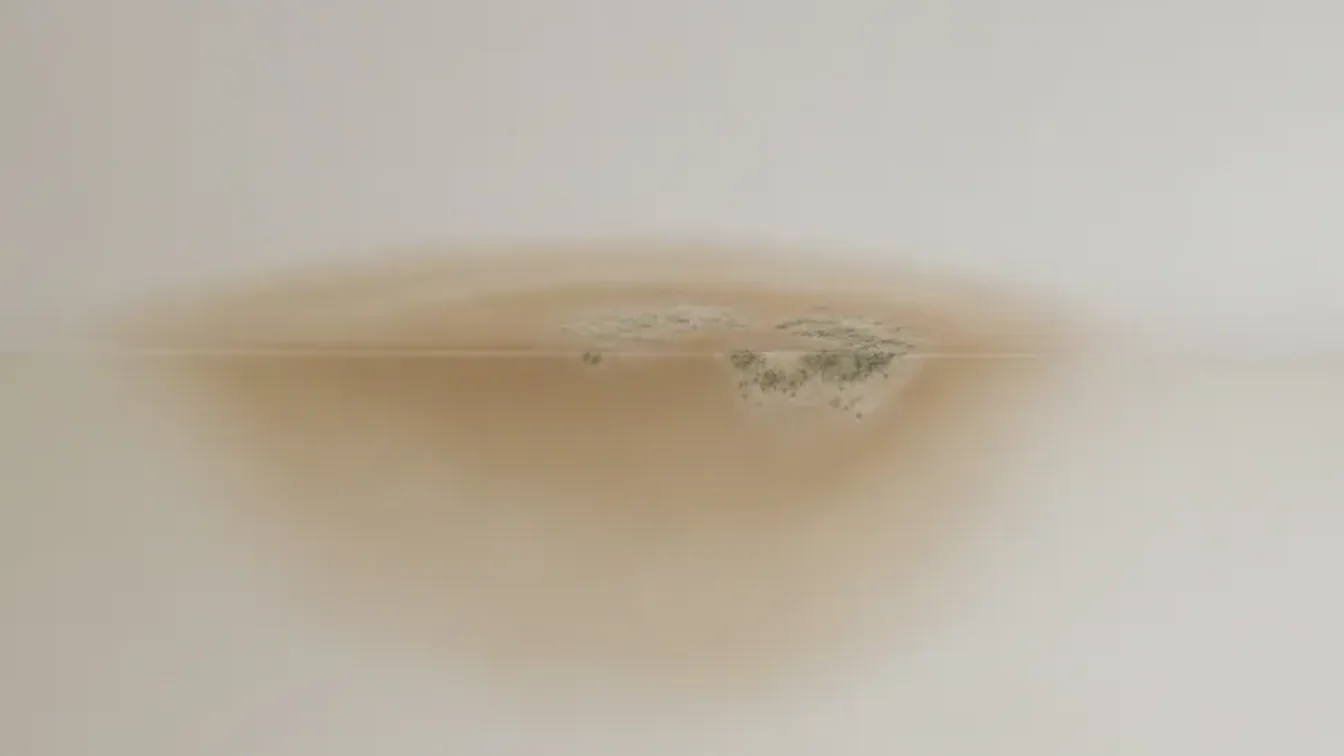
Water moves quickly through drywall, flooring, and insulation, so the first few hours matter. If you are dealing with water damage in Nashville, start with safety and stopping the source.
After that, the goal is simple: remove water, dry the structure, and prevent secondary damage like swelling, delamination, odors, and microbial growth. Our team at Nashville Mold Removal handles water extraction, controlled drying, and the documentation needed to keep the project organized from day one.
Effective cleanup is more than pulling up a few towels. A proper water damage cleanup job is a controlled drying project with measured targets.
We typically start by mapping moisture with a non-invasive meter and, where needed, pin probes to confirm what is wet behind surfaces. Then we remove standing water using extraction equipment suited to the material—carpet, pad, hardwood, tile, or concrete. From there, drying is built around psychrometrics: air movement, dehumidification, and temperature control to drive moisture out of structural materials.
When building materials are holding water, we may recommend selective removal, such as baseboards, small drywall flood cuts, or wet insulation removal, so the structure can dry fully rather than trapping moisture. We also pay close attention to hidden cavities, like behind vanities, around HVAC returns, and at exterior walls.
Nashville weather can swing from humid to stormy, and high outdoor humidity can slow drying if doors and windows are left open. We set the space up so dehumidifiers can do their job, and we track progress with moisture readings until materials return to acceptable levels for the next phase of repairs.
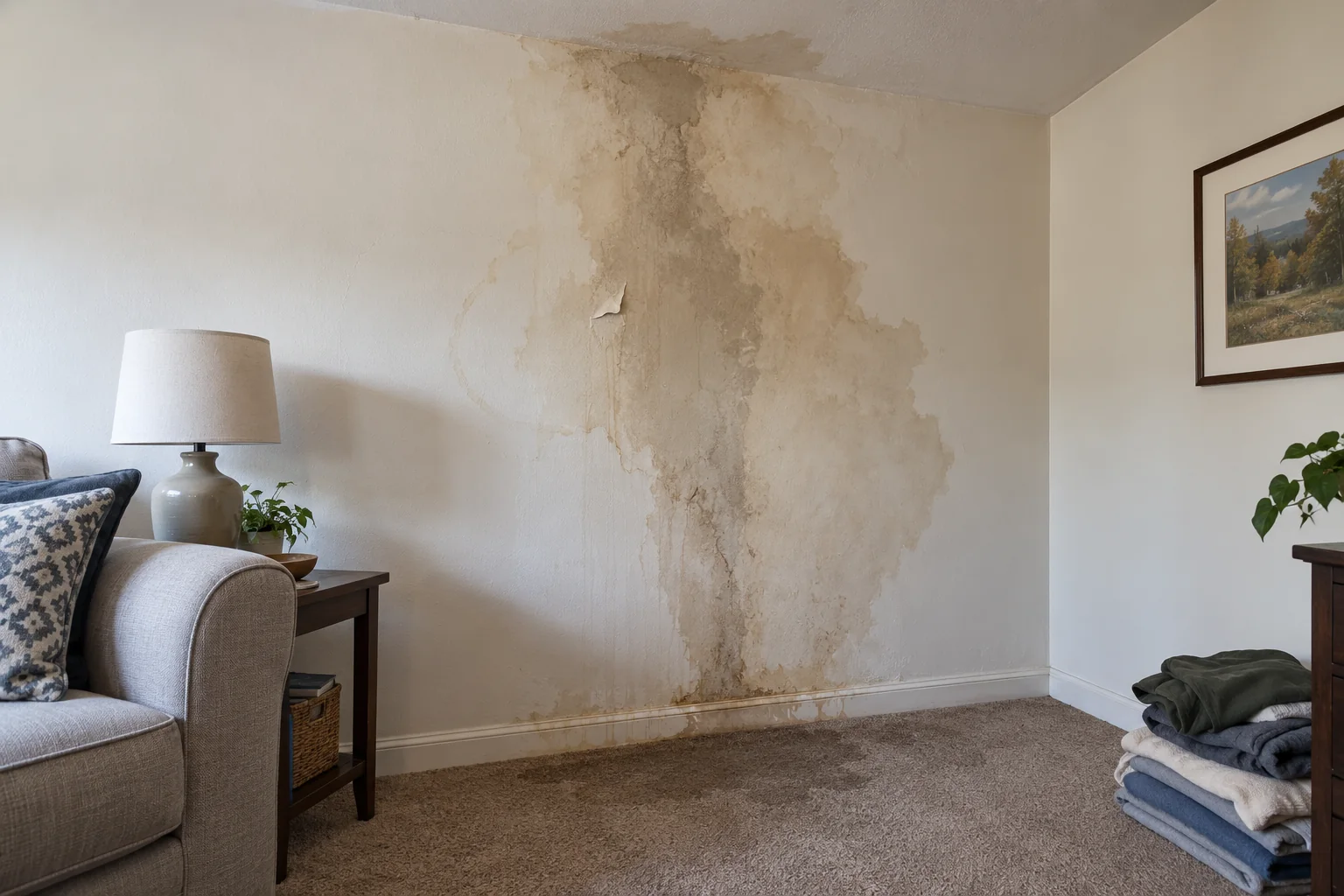
Pressurized water can soak wall cavities fast. The priority is rapid extraction, targeted openings for airflow, and drying hidden areas before they sour.
Slow leaks often go unnoticed until flooring cups or cabinets swell. We focus on finding the wet footprint, drying under built-ins, and checking adjacent rooms.
Water often enters at ceilings and travels to low points. We document pathways, dry insulation and framing where possible, and flag materials that will not dry safely.
When water is contaminated, cleanup shifts to safe removal and cleaning protocols before drying. Porous materials may need disposal rather than drying.
Hard-to-vent areas require careful airflow and dehumidification planning. We address wet insulation, vapor barriers, and the risk of trapped moisture.
Wood reacts to moisture quickly. We use extraction mats when appropriate, monitor moisture content, and set expectations about sanding or board replacement if needed.
We confirm the source is controlled, identify electrical and slip hazards, and determine whether the water is clean, gray, or contaminated so the right precautions are used.
We measure affected materials and outline a drying plan. Clear documentation helps keep decisions consistent, especially when multiple rooms are involved.
We remove standing water and, if materials cannot dry properly or are contaminated, we recommend selective demolition so the structure can dry fully.
Air movers and dehumidifiers are placed based on the layout and moisture load. We control the environment so drying progresses predictably instead of stalling.
We track moisture levels and adjust equipment placement as the wet footprint shrinks. This keeps drying focused and avoids over-drying unaffected areas.
Once materials reach acceptable dryness targets, we outline what comes next, such as rebuild scope for drywall, paint, flooring, and cabinetry, so the handoff is smooth.
Mold risk is mostly about time, temperature, and moisture. If materials stay wet, growth can start on paper-faced drywall, insulation, wood framing, and dust in as little as 24 to 48 hours under the right conditions. That is why water damage mitigation is built around fast extraction and controlled drying, not just visible cleanup.
If you already smell musty odors, see spotting, or had prolonged wetting behind walls, a mold-focused plan may be needed alongside drying. That can include containment, negative air, HEPA filtration, and cleaning methods matched to the affected materials.
Some situations do not require a full mold remediation scope; they require getting the structure dry and removing wet materials before growth takes hold. If mold removal is part of the plan, we explain the boundaries of work, what will be removed versus cleaned, and what verification steps make sense for your situation.
If you want a broader look at how we approach that work, our mold removal overview explains the typical containment and cleaning methods we use when microbial growth is present.
Water damage cleanup in Nashville typically ranges from about $900 to $3,500 for a straightforward extraction and drying setup in a limited area, while larger or more complex losses can run $4,000 to $12,000+ when multiple rooms, wet insulation, or selective demolition are involved. Contaminated water, hardwood drying, and extensive content moving also increase cost.
Final pricing depends on the category of water, how long materials stayed wet, how many surfaces are affected, access to the wet areas, and how much has to be removed to dry the structure correctly. The exact scope and cost are confirmed after an on-site moisture inspection and a written drying plan.
Response time depends on current demand and the severity of the loss, but we prioritize active leaks, standing water, and situations where moisture is spreading into walls or floors. When you reach out, we will ask a few triage questions—source, how long, and affected rooms—so we can bring the right extraction and drying equipment.
Yes. The core steps are the same, but commercial projects often need more documentation, coordination with facilities staff, and after-hours planning to reduce downtime while drying equipment runs.
Sometimes, yes, especially when the water is clean and the wetting is caught early. We evaluate cupping, moisture content, and whether water is trapped under an impermeable finish or underlayment; if the moisture cannot be driven out reliably, partial removal or board replacement may be the safer option.
Clean water comes from sources like supply lines, while contaminated water includes sewer backups and some floodwater. Contaminated water typically requires more aggressive removal of porous materials and detailed cleaning before drying because leaving contaminated moisture in place can create health and odor problems.
A consumer dehumidifier can help with general humidity, but it often cannot remove moisture fast enough from saturated drywall, insulation, or subfloors after a loss. Professional drying pairs high-capacity dehumidification with purposeful air movement and moisture monitoring so you know when materials are actually dry, not just less damp on the surface.
Many projects dry in about 3 to 5 days, but the timeline changes with how much water was absorbed, the materials involved, and how long the area stayed wet before drying began. We base the schedule on moisture readings and adjust equipment as conditions change.
Tell us what happened and what areas are wet. We will put together a clear plan for extraction, structural drying, and next steps so you can protect the property and move toward repairs.