Moisture and condition assessment
We look for the source: active leaks, elevated humidity, poor ventilation, condensation points, and wet building materials. Without this, lab numbers are easy to misread.
Serving Nashville, Tennessee & surrounding areas
If you smell musty odors, see staining, or have allergy-like symptoms at home, professional testing can confirm what is in the air and where moisture is feeding it. Get clear sample results, photos, and practical next steps for your property.
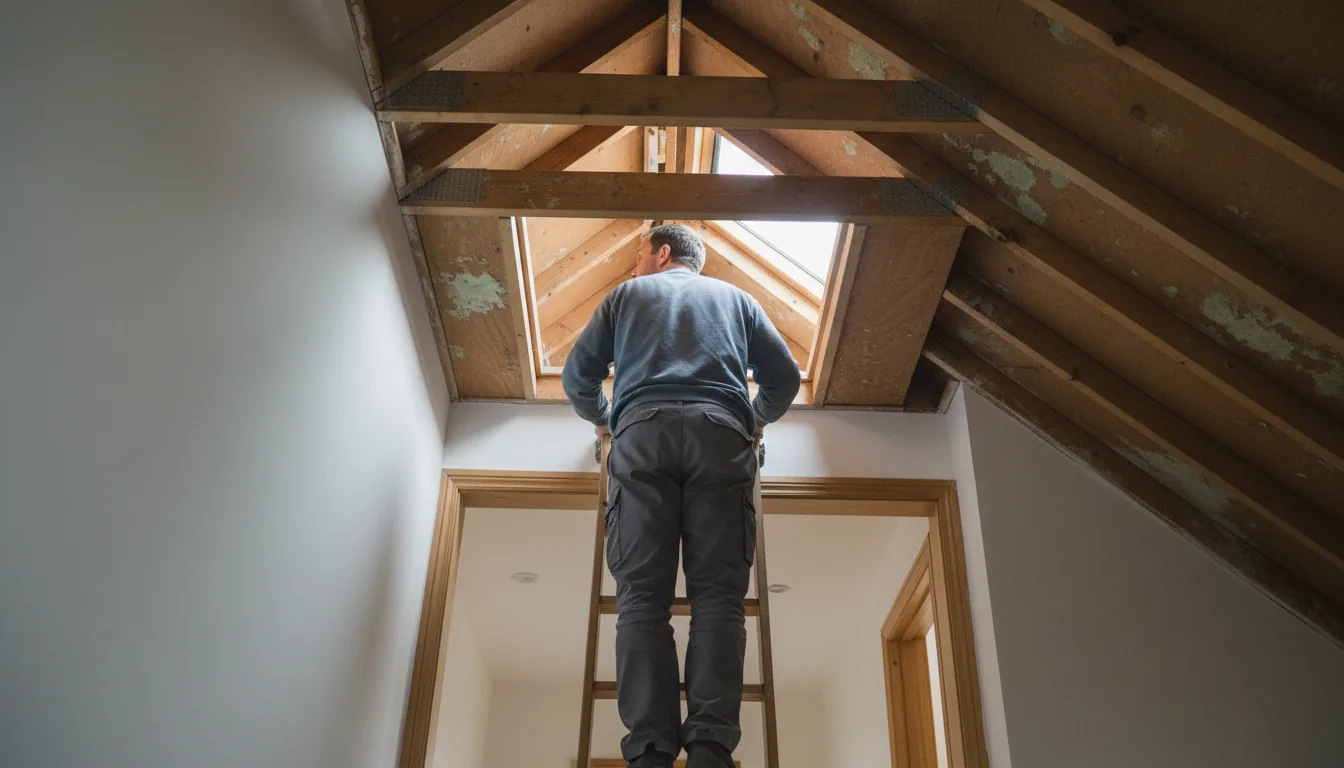
Nashville mold testing is built to answer two questions: are mold spores elevated compared to normal background levels, and what conditions are allowing growth. Testing does not replace a proper on-site inspection, because the lab result only makes sense when it is tied to building conditions like active leaks, humidity, ventilation, and where staining is showing up.
A good mold testing appointment in Nashville usually includes a walk-through to look for water intrusion and condensation patterns, identifying likely reservoirs such as wall cavities, behind baseboards, attic decking, and crawlspace framing, and selecting the right sampling method. Results are then compared between indoor and outdoor conditions—or an indoor baseline—to help determine whether the building is contributing spores.
If you already know you want help after results are in, Nashville Mold Removal can coordinate a path forward. Many homeowners start by confirming conditions with testing, then move into a written scope for the cleanup work. You can also get a sense of how a remediation plan is structured through Nashville Mold Removal when you are ready.
Most requests for mold testing Nashville homeowners make fall into a few situations:
In Nashville's humid months, indoor moisture rises quickly in poorly ventilated areas, especially basements and crawlspaces. Even without a major leak, long periods of high humidity can tip materials over the threshold where mold can colonize if the space stays damp.
Call Now 615-209-9270
We look for the source: active leaks, elevated humidity, poor ventilation, condensation points, and wet building materials. Without this, lab numbers are easy to misread.
Air samples are placed to compare suspect rooms to a baseline, often outdoors, and to see whether spores are elevated where symptoms or odors are reported.
Swab or tape samples help confirm whether a stain is mold and can identify common genera groups that influence the cleanup approach.
The number and location of samples depends on the layout and the concern. A good plan avoids random sampling and focuses on likely sources and pathways.
You get documented results and a clear explanation of what they mean for your home, including how moisture conditions affect the reading.
If results indicate an indoor source, we outline the practical options: what to fix first, what areas to open up, and what kind of containment is appropriate.
Mold problems in the Nashville area often track back to the same building science issues: moisture plus materials that stay damp. The exact hiding place varies by construction style and how the home manages humidity.
In older neighborhoods with a mix of historic and mid-century homes, such as East Nashville, past renovations can leave behind layered materials that trap moisture, including multiple flooring layers, patched plaster, or older window assemblies. In Green Hills and similar areas with larger homes, complex rooflines and multiple HVAC zones can create small, hard-to-notice leak paths that wet insulation and framing over time.
In Bellevue and other parts of the west side where wooded lots and shaded elevations are common, crawlspaces can stay humid longer after rain events if ventilation and vapor control are poor. Downtown and The Gulch have more condos and mixed-use buildings, where shared walls and mechanical systems can make it important to pinpoint which unit or chase is contributing to moisture before anyone starts opening finishes.
Common reservoirs we investigate during mold testing include crawlspace joists and subflooring, attic sheathing near roof penetrations, window sills and wall corners with condensation, behind toilets and vanities, laundry areas, and around return-air leaks where dusty insulation can collect moisture. The goal is to connect symptoms and staining to a moisture mechanism, not to chase mold visually.
Tell us what you are seeing or smelling, which rooms are involved, and whether there was a known water event. We use that to plan the inspection and sampling approach.
We walk the affected areas, look for pathways such as roofing, plumbing, exterior walls, and HVAC, and use moisture readings to identify materials that may be supporting growth.
We collect the samples that fit your situation, label and document locations, and keep the collection consistent so results are comparable.
Samples are submitted for analysis and compiled into a written report that documents what was collected and what was detected.
We explain what the numbers mean for your rooms, what moisture issues need to be corrected, and what scope makes sense if cleanup is needed.
Mold testing in Nashville typically ranges from about $250 to $700+, with pricing driven mainly by how many samples are collected and how complex the inspection is. A basic visit with a limited number of air or surface samples is often at the lower end, while larger homes, multiple suspect areas, or combined air and surface sampling usually lands higher.
Final cost changes with travel time, access such as tight crawlspaces or high attic entries, the number of rooms involved, and whether moisture mapping is needed to guide sampling. Exact pricing is confirmed during scheduling and finalized at the on-site inspection based on the sampling plan.
Most lab results are available within a few business days after sampling, depending on the lab's workload and the type of analysis requested. We also document sample locations and building conditions during the visit so the report still makes sense when results come in.
You need the sampling method that matches the question you are trying to answer: air samples help evaluate what is circulating in a room, while surface samples help confirm whether a visible spot is mold. Many mold testing Nashville appointments use both when there is visible staining plus odor or symptoms, because it ties the lab result to a likely source.
If your concern is that symptoms or odor increase when the HVAC runs, it helps to keep conditions typical for how you live, including normal thermostat settings. If there was a recent water event or you have been running dehumidifiers constantly, tell us so we can interpret results with those conditions in mind.
Testing can strongly indicate a hidden source through moisture readings, air patterns, and targeted sampling near suspect cavities, but confirming a reservoir inside a sealed wall usually requires some level of access. When needed, we recommend the smallest, most logical openings based on moisture mapping rather than cutting multiple exploratory holes.
DIY kits often show that mold can grow in a dish, but they usually do not provide a meaningful indoor vs. outdoor comparison or a moisture-based explanation of why the issue is happening. Professional testing focuses on controlled sample locations, documented conditions, and results that can guide decisions about what to fix and what scope is appropriate.
Yes, because a professional inspection record and lab report can document where samples were taken and what was found at that time. For real estate and property management situations in Nashville, clear documentation helps keep the conversation focused on specific rooms and conditions instead of opinions.
If you are concerned about a musty smell, a recent leak, or a room that feels damp, schedule Nashville mold testing with Nashville Mold Removal. We will collect the right samples, interpret the results in plain language, and outline practical next steps for your home.