Moisture mapping and clear scope
We check floors, walls, and likely migration paths so the drying plan matches the actual wet footprint, not just what looks wet.
Serving Nashville, Tennessee & surrounding areas
Stop the damage from spreading with fast extraction, professional drying, and repair-ready documentation for your home or business.
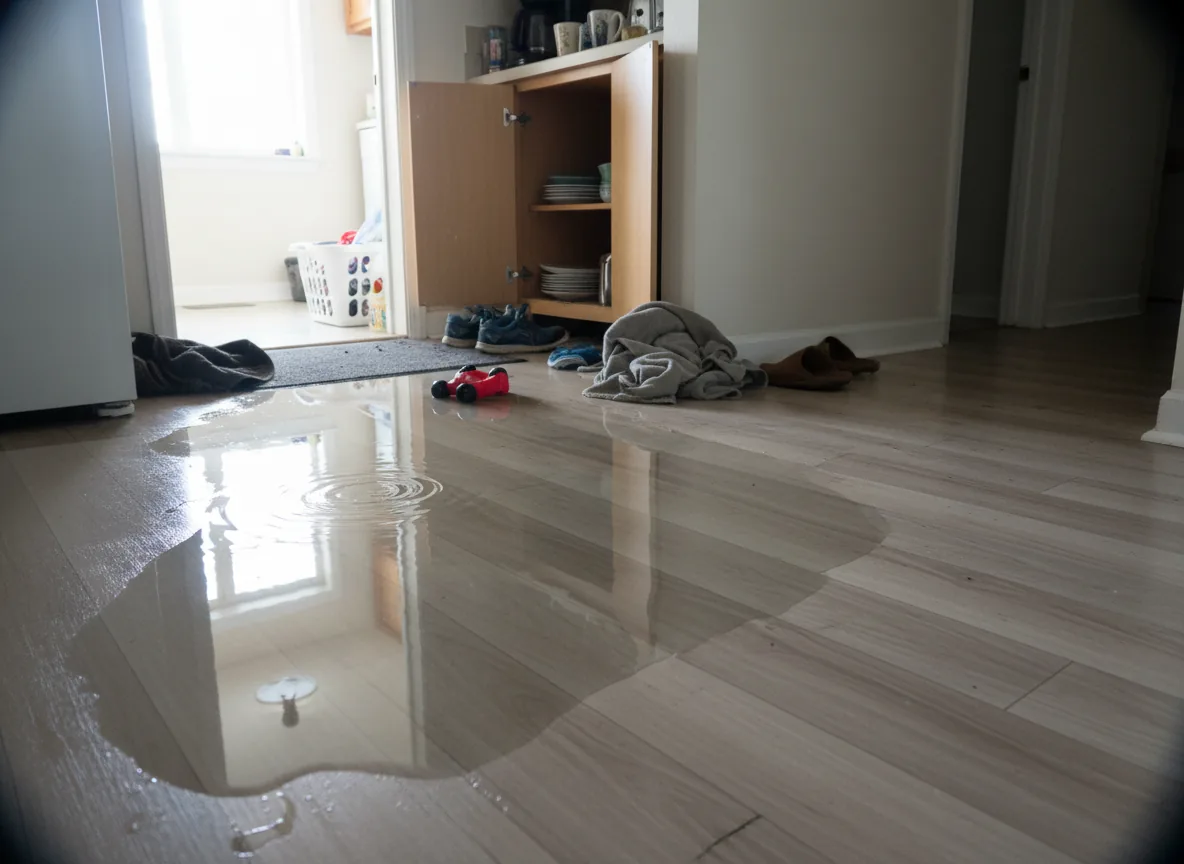
Flood restoration Nashville property owners need is more than removing visible water. A proper restoration job addresses what water does next: it migrates into baseboards, wall cavities, subflooring, insulation, and built-ins, then triggers swelling, delamination, corrosion, and odor. The first 24 to 48 hours are the window where professional drying and targeted demolition can limit how much has to be rebuilt.
Our flood restoration work focuses on four outcomes:
If your flood came from a storm event, a burst supply line, an overflowing fixture, or a failed appliance, the steps are similar. What changes is the category of water (clean, gray, or black), what materials were soaked, and how far moisture traveled.
In Nashville, water damage scenarios range from sudden plumbing failures in newer builds to slow, hidden leaks in older homes. Either way, restoration choices depend on construction details you can't see from the doorway.
We also plan around Middle Tennessee humidity. When outdoor air is humid, simply opening windows can slow evaporation and extend drying time. Professional dehumidification and controlled airflow usually dry materials more predictably than relying on ambient conditions.
If you're dealing with musty odors or you suspect growth started before drying was completed, Nashville Mold Removal can help you plan the next steps alongside restoration work.
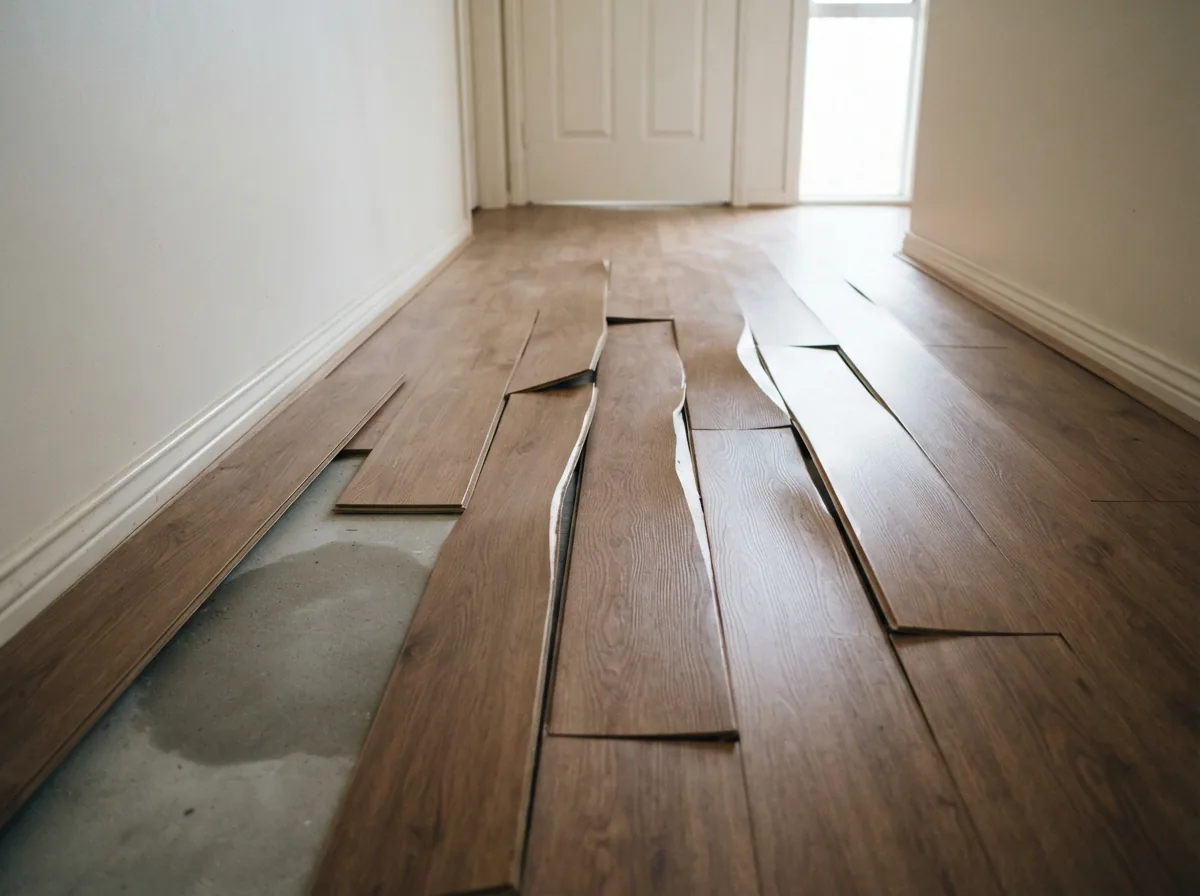
We check floors, walls, and likely migration paths so the drying plan matches the actual wet footprint, not just what looks wet.
Clean water and contaminated water require different handling. We separate salvageable from non-salvageable materials and treat affected areas appropriately.
We monitor progress with moisture meters and adjust equipment placement so drying stays on track and materials don't get sealed up while still damp.
When contents are affected, we help you triage what can be cleaned and dried versus what should be removed to keep odors and staining from setting in.
Photos and notes taken during mitigation can support smoother conversations with your insurer and reduce back-and-forth about what was impacted.
When drying is complete, we help outline what needs rebuild attention so repairs can start with fewer surprises behind walls or under floors.
We start by confirming the water source is stopped and the space is safe to enter. If power or gas concerns exist, we coordinate with the appropriate trades before heavy equipment runs.
Standing water is removed first because it slows everything else down. We also pull saturated debris and unsalvageable porous items when needed to open up drying pathways.
We take moisture readings at likely migration points, then set dehumidifiers and air movers to target wet materials. Containment may be used to protect unaffected rooms from dust and odors.
Drying is not a set-and-forget step. We monitor readings, reposition equipment, and manage humidity so drying progresses evenly and doesn't stall in hidden cavities.
Depending on water category and time wet, we clean surfaces and address odor. Antimicrobial products are selected for the material and exposure, not applied as a blanket step.
Once materials reach acceptable dry levels, we document completion and outline what repairs are needed, such as drywall replacement, trim resets, flooring work, or cabinet toe-kick rebuilds.
Flood restoration in Nashville typically ranges from about $1,500 to $8,000+ for many residential projects, with small, contained incidents on the low end and multi-room or basement losses higher. A straightforward extraction-and-dry job is often less than a project that needs demolition, disposal, and rebuild coordination.
Final cost depends on the water category (clean vs contaminated), how long materials stayed wet, affected square footage, what must be removed (drywall, insulation, flooring), equipment time, and access. The exact scope is confirmed after an on-site inspection and moisture mapping.
Start flood restoration immediately, ideally the same day, because water wicks into drywall, trim, and subfloors within hours. Early extraction and controlled drying can reduce how much material needs removal and lowers the chance of odor and microbial growth developing in hidden cavities.
Sometimes they can be dried, but it depends on how far water wicked, how long it stayed wet, and the water category. With clean water caught quickly, targeted drying and careful monitoring may save portions of drywall and trim; with contaminated water or prolonged saturation, removal is often the safer path to keep the wall cavity from staying damp.
Clean water starts from a sanitary source like a supply line, gray water has some contamination risk (for example from a washer discharge), and black water can contain sewage or serious contaminants. The category affects what materials can be salvaged and what cleaning and protective measures are required during flood restoration in Nashville homes and businesses.
Drying often takes several days, but the overall timeline depends on what must be removed and rebuilt. A small affected area may be dried and ready for repair quickly, while multi-room flooding can take longer because drying targets subfloors, framing, and wall cavities, then repairs follow after dry conditions are confirmed.
Yes, we document the visible damage, drying setup, and progress with notes and photos, because adjusters typically need support for mitigation scope and any necessary material removal. You still control your claim, but solid documentation helps keep the restoration process organized.
If it's safe, stop the water source, avoid rooms with electrical hazards, and move small valuables to a dry area. Do not run fans blindly if the water may be contaminated, and avoid pulling up flooring or opening walls unless you can do it safely. The fastest helpful step is getting an on-site assessment so drying can be set up correctly.
Tell us what happened and what areas are wet. We'll respond with a clear plan for extraction, drying, and the next repair steps so your property can get back to normal.