Emergency water extraction
Pumping and vacuum extraction to remove standing water fast, plus targeted removal in trapped areas like carpet pad, underlayment, and low spots in basements or crawlspaces.
Serving Nashville, Tennessee & surrounding areas
When water gets in, time matters. Get a fast on-site assessment, professional dry-out, and a clear restoration plan to protect your structure and finishes.
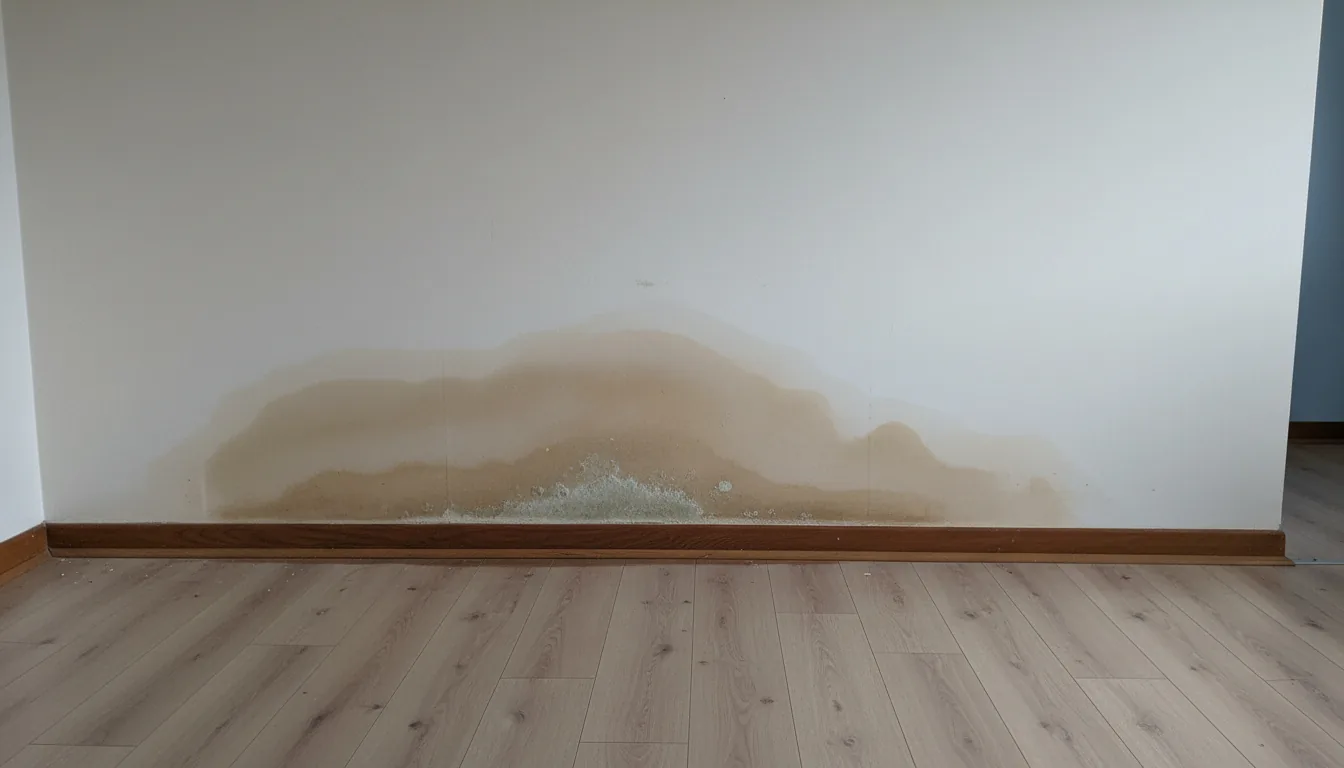
If you are searching for water damage restoration Nashville homeowners can rely on, the goal is simple: stop the source, remove the water, dry the structure, and document what happened so the next steps are straightforward. Water spreads quickly under floors, behind baseboards, and into wall cavities. The longer materials stay wet, the more likely you are to face swelling, delamination, corrosion, and odor problems.
Our team at Nashville Mold Removal provides water damage restoration for homes and small commercial spaces across Nashville, TN. You get practical guidance from the first visit: what is wet, what can be dried in place, what needs removal, and what the drying plan looks like day by day.
In Nashville, we often see losses tied to heavy rain and storm runoff, plumbing failures, water heater leaks, appliance supply line breaks, and HVAC condensate issues. Properties near low-lying streets and older crawlspaces can also be vulnerable when water finds an easy path inside. Whatever the cause, we focus on controlled drying and careful cleanup so repairs are based on facts, not guesswork.
Pumping and vacuum extraction to remove standing water fast, plus targeted removal in trapped areas like carpet pad, underlayment, and low spots in basements or crawlspaces.
Non-invasive moisture readings and targeted checks in wall cavities and subfloors define the wet footprint and help prevent missed pockets that prolong drying and odor problems.
Air movers, dehumidifiers, and containment where needed, with equipment placement based on material type—drywall, hardwood, or framing—and airflow paths rather than room size alone.
Removal of water-damaged materials that cannot be dried safely or would fail later, such as swollen trim, delaminated cabinetry components, or drywall that has wicked water above the base.
Cleaning of affected surfaces and contents as appropriate, plus photo notes, moisture logs, and a written scope so you can coordinate repairs and any insurance steps.
We start with source control and safety. If the water source is active, we help you identify the right immediate step, such as shutting off a fixture supply or isolating a leaking appliance line. We also look for electrical risks, ceiling sag from trapped water, and slip hazards.
Next comes extraction and exposure. Removing standing water is only part of it. Wet carpet pad, saturated baseboards, or water trapped under floating floors can keep feeding moisture back into the building. When drying in place is not realistic, we recommend selective removal so the remaining structure can dry predictably.
Then we set a drying plan built around the materials in your home. Nashville properties range from historic neighborhoods with older plaster and solid wood to newer builds with engineered products that react differently when wet. We use moisture readings to track progress, adjust equipment, and confirm when materials are back to a stable condition.
If you are also concerned about odors or microbial growth after a water event, address it early. Water losses and indoor air quality issues can overlap, and many property owners choose to pair restoration work with a separate evaluation for mold removal when conditions warrant.
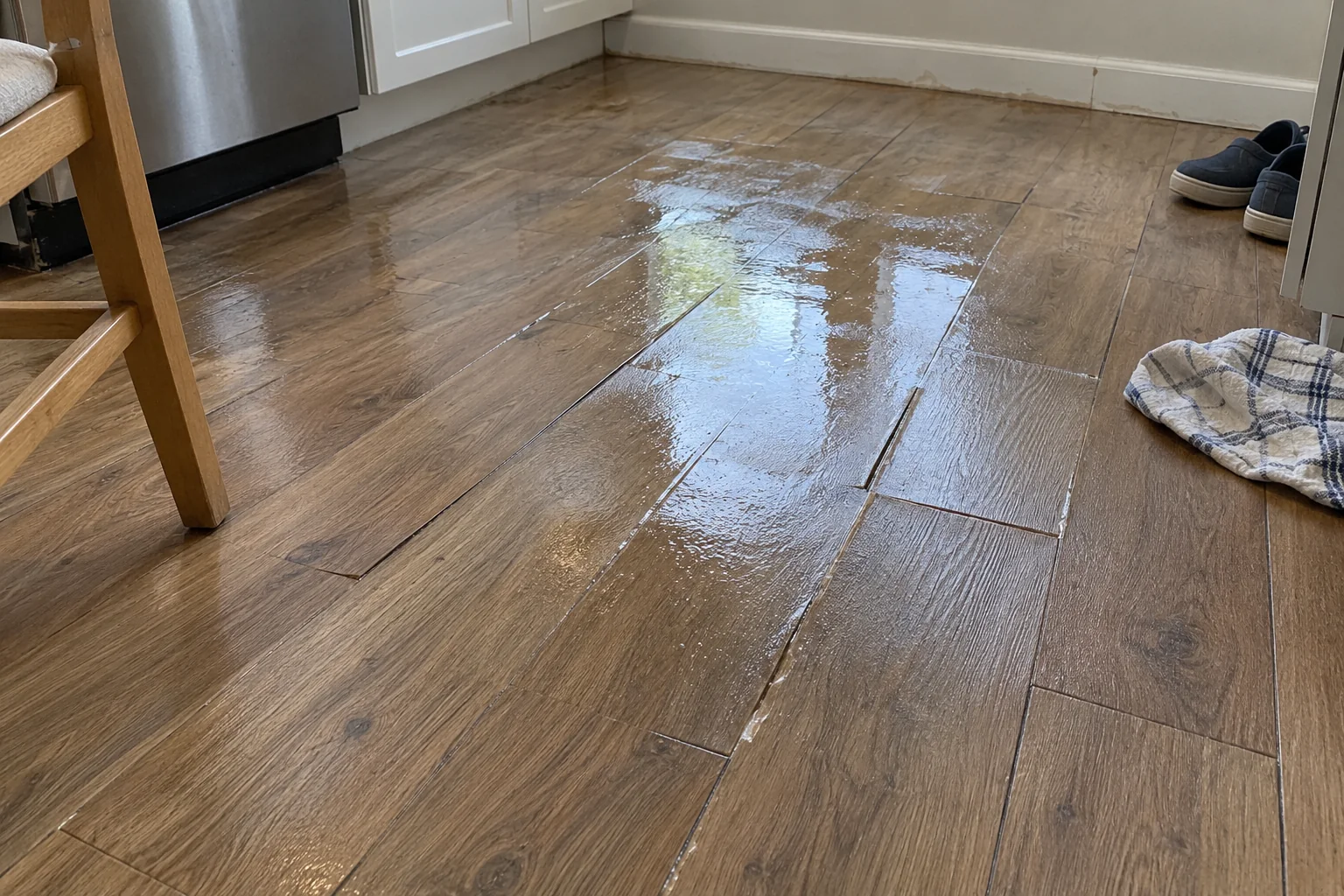
We assess the affected areas, identify likely water pathways—under floors, behind cabinets, and wall-to-wall—and outline what can be dried versus what needs removal. You get a clear plan before major work begins.
We remove standing water, pull up and dispose of unsalvageable porous materials when needed, and set initial drying equipment to stop further spread into adjacent rooms.
We manage airflow and dehumidification and track moisture conditions over time. If readings stall, we adjust placement or expand access points so drying stays controlled and efficient.
After drying goals are met, we complete final cleaning and help you understand what repair scope remains, such as drywall patches, paint, flooring replacement, or trim carpentry.
Water damage restoration in Nashville typically ranges from about $900 to $6,500+, depending on how far water traveled and what materials are affected. A smaller, contained leak with minimal removal often falls around $900 to $2,500, while multi-room losses that require significant tear-out, drying time, and contents handling can run $3,000 to $6,500+.
Final price is driven by the category of water, how long it sat, the square footage and number of rooms, flooring type—hardwood and tile assemblies can take longer—required demolition, access to wall cavities or crawlspaces, and how many days of equipment and monitoring are needed. Exact scope and cost are confirmed after the on-site inspection.
Restoration should start as soon as you can safely get access because moisture spreads under flooring and into drywall quickly. Even when visible water looks minor, trapped water can keep materials wet for days, which increases the amount of removal and drying time needed.
Sometimes, yes, but it depends on how long the floor was wet, the type of hardwood, and whether water is trapped below the boards. The decision is based on moisture readings in the wood and subfloor, signs of cupping or buckling, and whether controlled drying can reach the assembly without causing further damage.
We remove drywall and insulation when readings show water has wicked upward or when the cavity cannot dry effectively in place. A common approach is a controlled flood cut or selective removal at the base so framing can dry and repairs stay limited to the necessary areas.
It matters because the category of water affects safety, cleaning steps, and what materials can be salvaged. Clean water starts from a sanitary source like a supply line, while contaminated water from backups or outdoor flooding requires stricter containment, cleaning, and disposal decisions.
Many drying projects take 3 to 5 days, but the real timeline depends on what got wet and how enclosed the wet materials are. Wet framing behind cabinets, saturated subfloors, or crawlspace humidity can extend the drying period, which is why monitoring and adjustments are part of the process.
If it is safe, stop the water source, avoid using electrical circuits in wet areas, and move small valuables and soft goods out of the affected zone. Avoid running household fans in a way that blows moisture into other rooms, and avoid pulling up flooring unless you are sure it will not cause more damage or create a trip hazard.
If you have wet floors, damp drywall, or a musty smell after a leak, get an on-site assessment quickly so the drying plan is based on real moisture readings and a clear scope.
Tell us what happened and what areas are affected. We will walk the property, explain what needs to happen first, and provide a written plan for drying, cleanup, and restoration.